

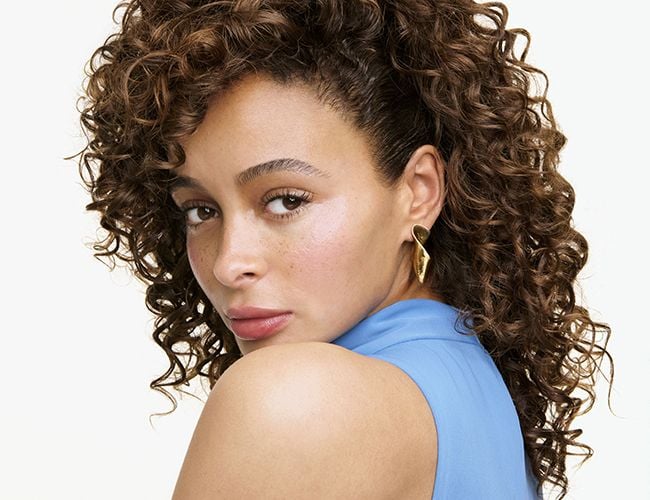
A universal hair oil is one of the most versatile tools in a hair care routine: it nourishes deeply, adds visible brilliance, and helps tame frizz — all without the heaviness that heavier treatments can leave behind. If your hair feels dry, dull, or damaged, incorporating a hair oil into your daily ritual could be the single most impactful change you make.
What Is a Universal Hair Oil — and Who Is It For?
Unlike targeted serums designed for one specific concern, a universal hair oil is formulated to benefit a wide spectrum of hair types and textures. The key word is balance: it must deliver enough nourishment to genuinely transform dry or damaged strands, while remaining lightweight enough not to weigh fine or normal hair down.
The ideal candidate for a universal hair oil is anyone whose hair shows signs of:
- Dryness or very dry texture — hair that feels rough, straw-like, or difficult to manage
- Damage from heat, colour, or environmental exposure — hair that has lost elasticity and shine
- Frizz and flyaways — hair that resists smoothing even after conditioning
- Lack of luminosity — hair that looks dull rather than reflective
Because it is designed for all types of damaged and dry hair, a true universal oil does not require you to know your exact hair porosity or curl pattern before using it — it adapts.
Why Choose a Silicone-Free Hair Oil?
Many conventional hair oils on the market rely on silicones to create an instant sensation of smoothness and shine. While the result looks impressive at first, silicones coat the hair fibre without actually penetrating it — meaning they deliver surface-level gloss rather than genuine nourishment. Over time, silicone build-up can make hair feel heavier, duller, and harder to manage.
A silicone-free hair oil, by contrast, works with the hair's natural structure rather than masking it. Formulas built on natural-origin ingredients can help:
- Nourish the hair fibre rather than just coating the surface
- Improve softness and suppleness in a lasting way
- Preserve scalp comfort by avoiding residue at the root
When a formula is described as being made with 99% natural-origin ingredients, that commitment to botanical sourcing reflects a philosophy of working with nature's own emollients.
The Multi-Use Advantage: How to Apply Hair Oil at Every Step
One of the most compelling reasons to invest in a high-quality universal hair oil is its versatility. Rather than being limited to a single application moment, a well-formulated multi-use elixir can be used at multiple points in your routine — making it genuinely adaptable.
Before Shampooing: Pre-Wash Treatment
Apply a few drops of oil to dry hair from mid-lengths to ends before washing. Leave it on for 15 to 30 minutes (or longer if your hair is very dry) to allow the formula to nourish the fibre. This pre-wash step helps protect the hair before cleansing.
After Washing: Leave-In Finishing Oil
On damp, towel-dried hair, warm 2 to 3 drops between your palms and smooth through the lengths and ends. This helps seal in the benefits of your conditioner or mask, helps detangle, and prepares the hair for styling. Because a lightweight elixir does not weigh hair down, it can be used even on finer textures without creating a greasy effect.
On Dry Hair: Instant Shine Booster
A single drop — no more — applied to the palms and lightly smoothed over the surface of styled, dry hair adds luminosity and helps tame any remaining flyaways. This is the finishing touch that gives hair a polished, healthy appearance without heaviness.
As a Scalp Treatment
For hair that is dry at the root as well as the lengths, a small amount of oil can be massaged gently into the scalp before washing to help soothe dryness and support scalp comfort.

Pairing Your Hair Oil with the Right Nourishing Routine
A universal hair oil delivers its best results when used as part of a complete nourishing routine. Think of it as the final layer in a system designed to address dry and damaged hair at every stage of washing and styling.
Step 1 — Cleanse Without Stripping
The foundation of any nourishing routine is a shampoo that cleans effectively without compromising the hair's natural moisture balance. Look for formulas that are free from sulfated surfactants and silicones — these help avoid harsh cleansing action on already-dry hair.

Step 2 — Nourish Intensely with a Mask
For dry to very dry hair, a weekly nourishing mask is a valuable step. Applied after shampooing, a mask delivers intense nourishment. Even a short application of around 5 minutes can visibly transform the texture of the hair, leaving it supple and soft.

Step 3 — Detangle and Protect with a Conditioner
A lightweight conditioner applied after the mask helps detangle and adds a final layer of nourishment — without weighing the hair down. This step is especially useful for hair that is prone to tangling during brushing.

Step 4 — Finish with the Hair Oil
Once the hair is towel-dried, apply your universal hair oil to seal in the benefits from the previous steps. This final layer adds a lightweight touch of nourishment before styling.
Common Mistakes to Avoid When Using Hair Oil
Even the best formula can underperform if applied incorrectly. Here are the most frequent errors — and how to avoid them:
Using too much. Hair oil is highly concentrated. Start with 2 to 3 drops and add more only if needed. Applying too much, especially to fine hair, will result in a greasy, heavy appearance.
Applying directly to the roots. Unless you are doing a specific scalp treatment, keep oil away from the roots. Focus on mid-lengths and ends, where dryness and damage are most pronounced.
Skipping it on damp hair. Many people apply oil only to dry hair as a finishing step, missing the opportunity to use it on damp hair after washing.
Expecting instant transformation from a single use. Hair oil works cumulatively. With consistent use, the fibre gradually becomes more nourished, more supple, and more luminous. Give it a few weeks of regular use before assessing results.
Choosing a formula with silicones for long-term use. As discussed, silicones create the illusion of nourishment without delivering it. For lasting improvement in hair condition, a silicone-free formula built on natural-origin ingredients is the more effective long-term choice.
What to Look for in a Universal Hair Oil
When selecting a hair oil, these are the criteria that signal genuine quality:
- Silicone-free formulation — supports real nourishment rather than surface coating
- High percentage of natural-origin ingredients — botanical emollients are more compatible with the hair fibre
- Lightweight texture — should absorb without leaving residue or heaviness
- Multi-use versatility — can be used before washing, after washing, and on dry hair
- Suitable for all types of dry and damaged hair — adaptable regardless of texture or porosity
Conclusion: Is Universal Hair Oil Worth It?
For anyone dealing with dry, damaged, or dull hair, a universal hair oil is one of the most efficient additions to a hair care routine. Its ability to nourish, smooth, and add brilliance — across multiple application moments and hair types — makes it a genuinely versatile product rather than a single-use luxury.
The key is to choose a formula that delivers real nourishment: silicone-free, rich in natural-origin ingredients, and light enough to use daily without build-up. Used consistently, and paired with a complete nourishing routine, a high-quality hair oil can visibly improve the condition, texture, and luminosity of your hair over time.