

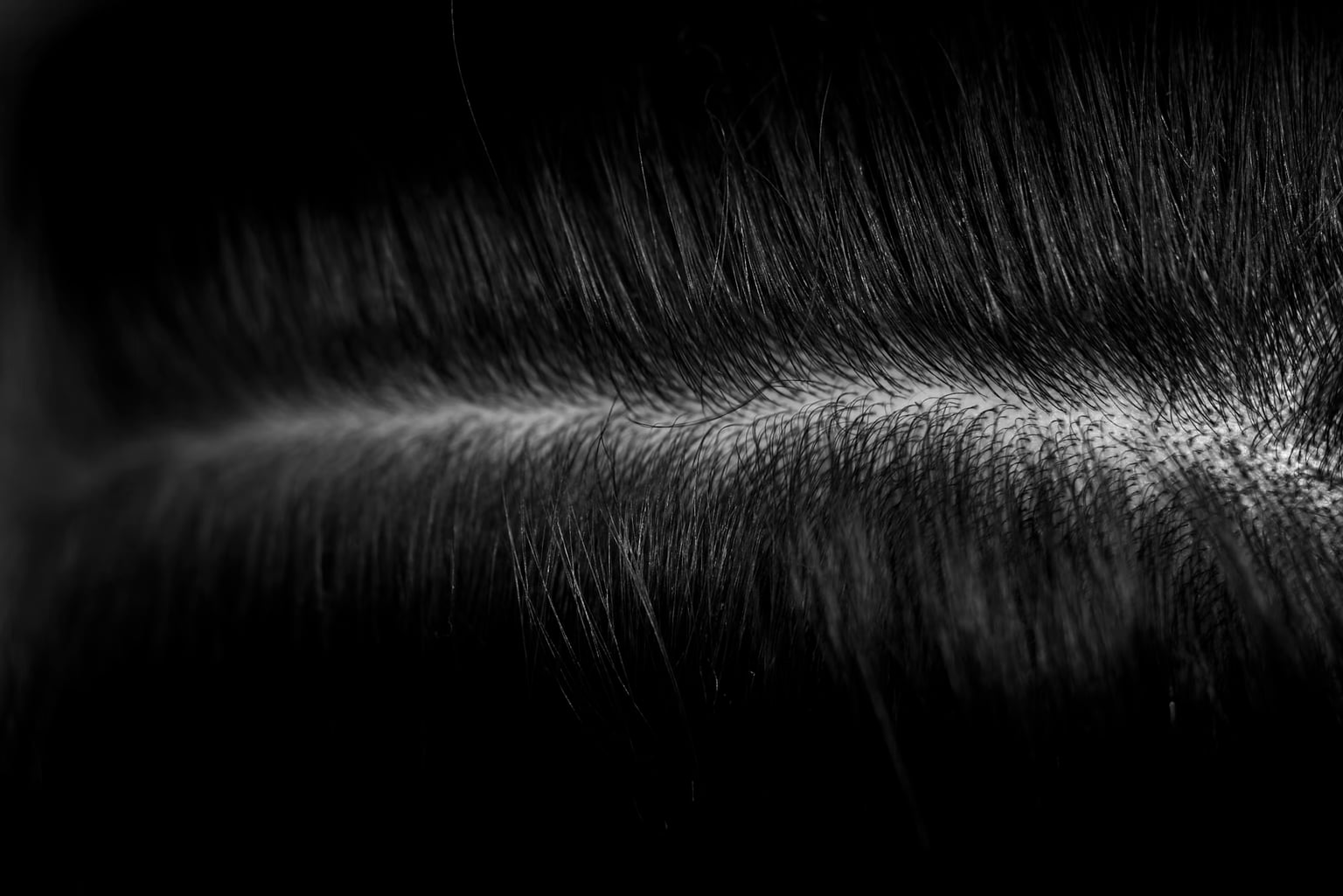
Dandruff and scalp itching are among the most common hair concerns — yet they are also among the most misunderstood. Many people reach for the first anti-dandruff shampoo they find, without identifying the underlying cause. The result: temporary relief, frequent recurrence, and ongoing frustration. Understanding what is actually happening on your scalp is the key to choosing the right approach and finding lasting comfort.
What Is Dandruff, Exactly?
Dandruff appears as white or yellowish flakes that shed from the scalp. It does not look — or feel — the same for everyone, which is why a one-size-fits-all approach rarely works.
There are two main types of dandruff often described:
- Dry dandruff: small, white, fine flakes that fall easily onto clothing. Often accompanied by a tight or itchy sensation.
- Oily dandruff: larger, yellowish flakes that tend to stick to the scalp and hair. Associated with excess sebum.
Identifying which type you have is helpful, because the solutions differ significantly.
The Real Causes of Dandruff and Scalp Itching
An Imbalanced Scalp
When the scalp's natural balance is disrupted — by stress, hormonal changes, pollution, or an inappropriate hair care routine — discomfort and flaking can follow. This is one of the most common reasons for persistent dandruff.
Excess Sebum
An oily scalp creates an environment where flakes and discomfort are more likely to develop. Sebum overproduction can be linked to hormonal fluctuations, diet, stress, or even over-washing — which paradoxically can stimulate more oil. Oily scalp dandruff tends to be stickier and more difficult to eliminate without the right purifying care.
A Sensitive or Irritated Scalp
Some scalps are inherently more reactive. They respond to external aggressors — hard water, heat styling, chemical treatments, certain fragranced products — with redness, itching, and flaking. In this case, the flaking is a sign of irritation rather than a sebum imbalance.
Environmental and Lifestyle Triggers
Seasonal changes (particularly autumn and winter), pollution, prolonged UV exposure, chlorinated or salt water, and high stress levels can all contribute to scalp imbalance. These external factors are often overlooked but play a role in the frequency and intensity of flare-ups.
Inappropriate Hair Care Habits
Using a shampoo that is too harsh, washing hair too frequently or not frequently enough, or skipping scalp-specific care can all disrupt the scalp's natural balance. Even well-intentioned habits — like using a heavily conditioning formula on the scalp — can contribute to buildup and imbalance.
How to Choose the Right Anti-Dandruff Shampoo
Not all anti-dandruff shampoos are formulated the same way, and choosing the wrong one can make things worse. The key is to match the formula to your specific scalp concern.
For All Types of Dandruff: Targeted Elimination
If you are dealing with visible flakes — whether dry or oily — you need a shampoo specifically formulated to eliminate dandruff and help limit recurrence. Look for silicone-free formulas that cleanse without weighing the scalp down.

The Dermo-Treating Shampoo from the Scalp Solution range is designed for all types of dandruff. From the first use, it helps eliminate dandruff and limit recurrence, with an anti-recurrence action of four weeks. Its silicone-free formula ensures a thorough cleanse.
For an Oily Scalp: Regulating Excess Sebum
If your dandruff is accompanied by oily roots, flat hair, or a persistent greasy feeling, the priority is to regulate sebum — not just remove flakes. A purifying shampoo with a long-lasting action will help rebalance the scalp over time.

The Oil-Reducing Shampoo, also from the Scalp Solution range, is formulated for oily scalp and hair. It regulates excessive sebum production and purifies the oily scalp and hair with a long-lasting purifying action. It is silicone-free.
For a Sensitive or Irritated Scalp: Soothing Without Compromise
If itching and redness are your main concerns — with or without flaking — your scalp needs a gentle, soothing approach. Fragrance-free formulas with optimal tolerance are a good choice for reactive scalps.

The Dermo-Soothing Shampoo is specifically formulated for irritated and sensitive scalps. Fragrance-free and designed for optimal tolerance, it helps calm itching and reduce redness from the first use, while working to rebalance the scalp for lasting effectiveness.
The Role of Scalp Pre-Treatment
For many people, a shampoo alone may not feel like enough — especially when the scalp imbalance is persistent or recurring. Incorporating a scalp pre-treatment into your routine can improve results by addressing the scalp before cleansing.

POLLEINE is a cult pre-shampoo concentrate from the Scalp Solution range. Its 100% plant-origin formula combines 10 purifying and revitalizing essential oils to balance and strengthen the scalp, and reduce feelings of discomfort and excess sebum. Applied before washing, it prepares the scalp to receive the full benefit of your shampoo. Silicone-free and sulfated surfactants-free.
How to use a pre-shampoo scalp treatment:
- Apply directly to the scalp, section by section.
- Massage gently with fingertips.
- Leave on before rinsing.
- Follow with your targeted shampoo.
Building a Consistent Scalp Care Routine
Consistency is the most underestimated factor in scalp care. Dandruff and itching rarely disappear after a single wash — they benefit from a sustained approach tailored to your scalp's needs.
Do's
- Match your shampoo to your scalp type, not just your hair type.
- Wash at the right frequency: too often can irritate; not often enough can allow buildup.
- Massage the shampoo into the scalp to help the formula work.
- Rinse thoroughly — product residue is a common trigger for itching.
- Incorporate a pre-shampoo treatment if your concern is persistent.
Don'ts
- Don't apply heavy conditioning masks directly to the scalp — focus them on mid-lengths and ends.
- Don't use water that is too hot — it can stimulate sebum production and aggravate irritation.
- Don't switch products too frequently — give your scalp a few weeks to respond to a new routine.
- Don't ignore recurring or severe symptoms — if itching, redness, or flaking persist despite appropriate care, consult a dermatologist.
When to See a Professional
While dandruff and scalp itching are common and often manageable with the right hair care routine, some situations call for professional guidance. If you experience intense, persistent itching that disrupts daily life, significant hair loss alongside scalp symptoms, or signs of infection (such as crusting or oozing), consult a dermatologist. These may indicate a condition that requires medical advice.
Conclusion
Dandruff and scalp itching are not a single problem with a single solution. They can result from specific imbalances — sebum excess, sensitivity, or external aggressors — each benefiting from a targeted response. By identifying your scalp's actual needs and choosing formulas designed for your concern, you help give your scalp the conditions it needs to find lasting balance. A consistent, well-matched routine, combined with a scalp pre-treatment when needed, is an effective path to a more comfortable, healthy-looking scalp.